Healthy Living
Healthy Eating During Pregnancy
What to eat and what to avoid so you and your baby can thrive.
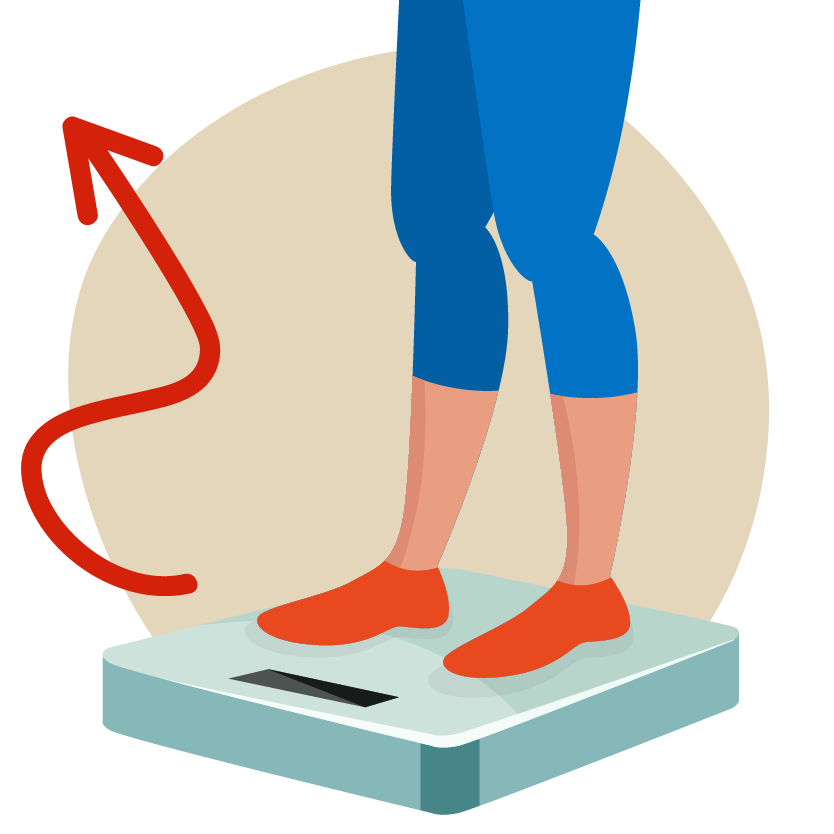 Watch Your Weight Gain While you may be "eating for two," your body only needs about 300 extra calories per day. If you were an average weight before pregnancy, you should gain between 25 to 35 pounds during pregnancy. Overweight women should gain less than 25 pounds. | 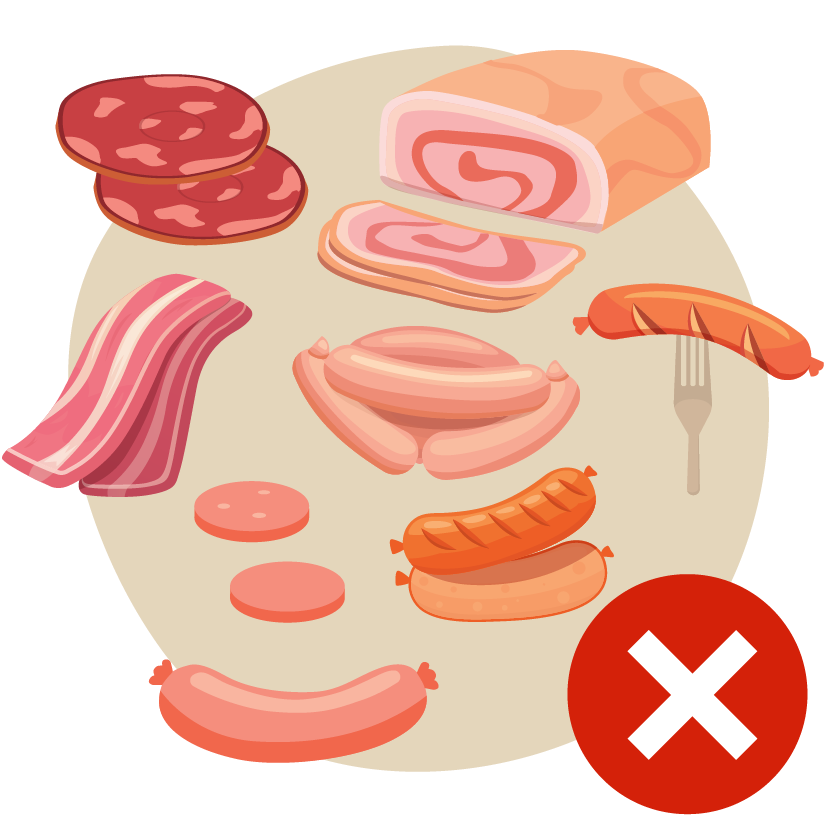 Steer Clear of Risky Foods When you are pregnant, you are at greater risk of developing listeriosis, which can be life-threatening to your unborn child. Avoid hot dogs, lunch meats and cold cuts (unless heated until steaming hot), unpasteurized milk, refrigerated pâté, meat spreads, smoked seafood, and raw or undercooked meat, eggs and seafood. | 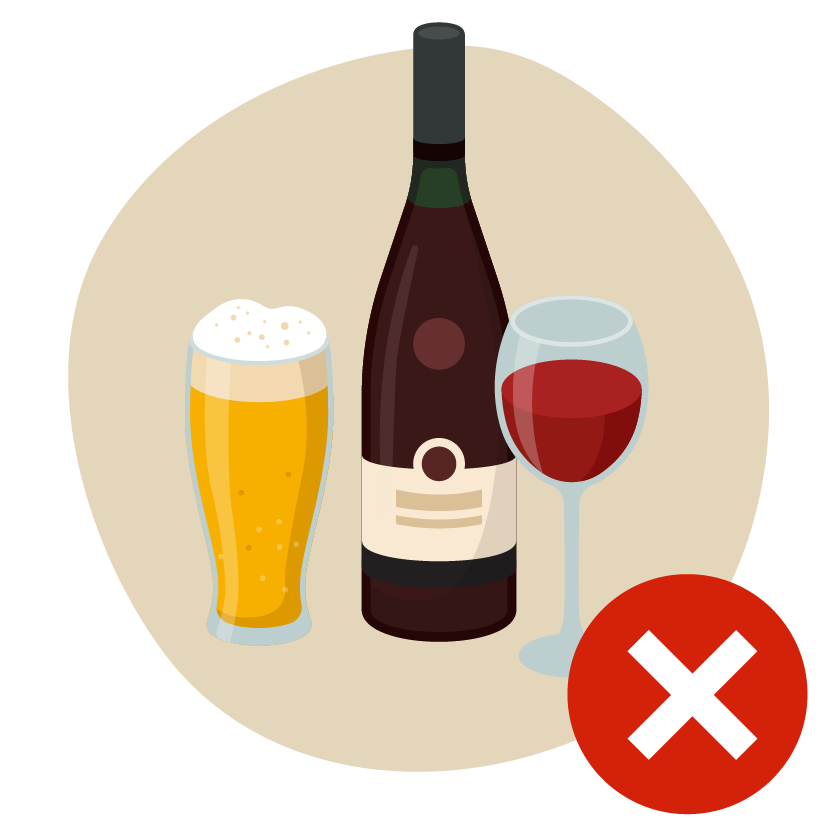 Avoid Alcohol Research shows that drinking alcohol during pregnancy can cause miscarriage, stillbirth, and lifelong physical, behavioral and intellectual disabilities. Even light or moderate drinking may affect fetal development, so doctors recommend avoiding alcohol entirely during pregnancy. |
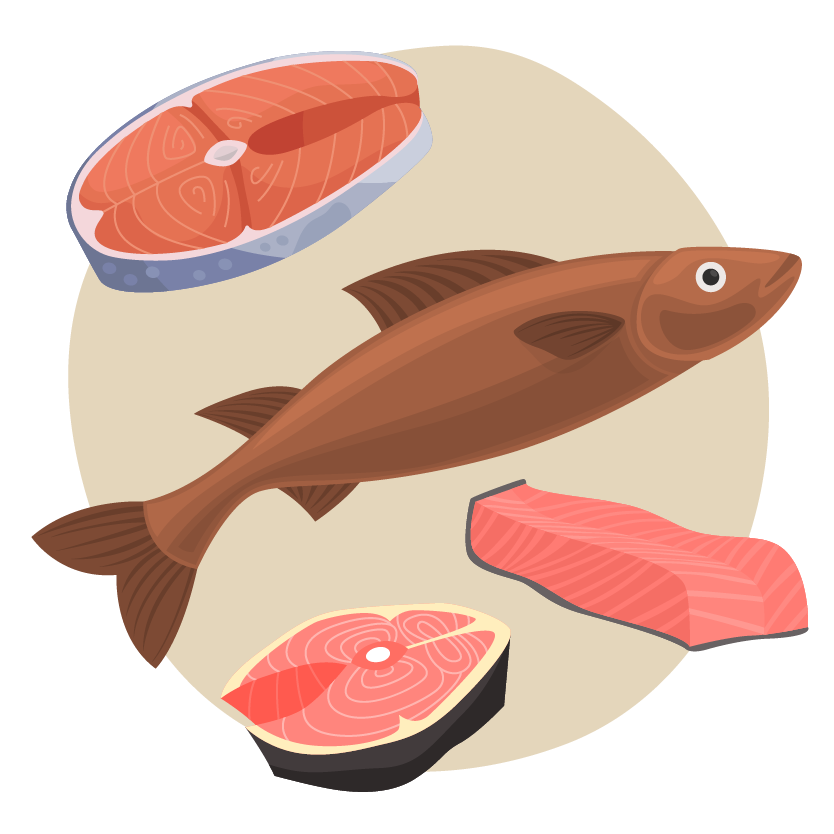 Eat the Right Kinds of Fish Fish is an important source of omega-3 fatty acids. The FDA recommends 8–12 ounces of low-mercury fish each week, such as salmon, cod, tilapia, pollock and shrimp. Avoid shark, swordfish, king mackerel and tilefish, and limit albacore tuna to 6 ounces per week. | 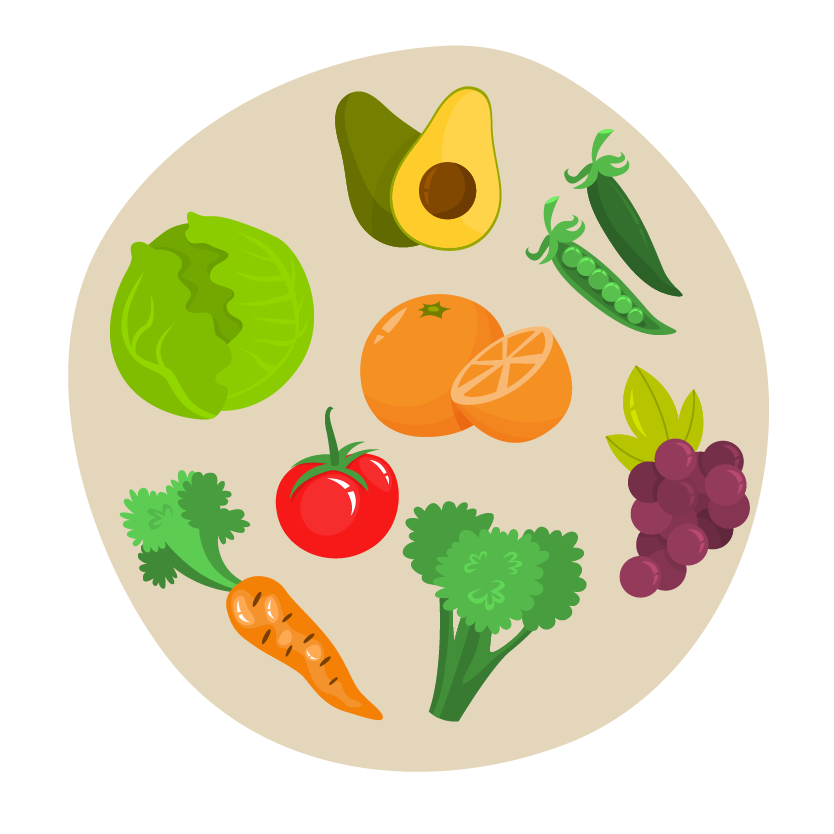 Make (Almost) Every Meal Count You don't have to eliminate treats completely, but focus on nutrient-dense foods like whole grains, lean protein, fruits, vegetables, low-fat dairy, healthy oils, nuts and avocados. |  Eat Smaller, More Frequent Meals Instead of three large meals, try eating four to six smaller meals throughout the day. This may help reduce nausea early in pregnancy and relieve heartburn later on. |
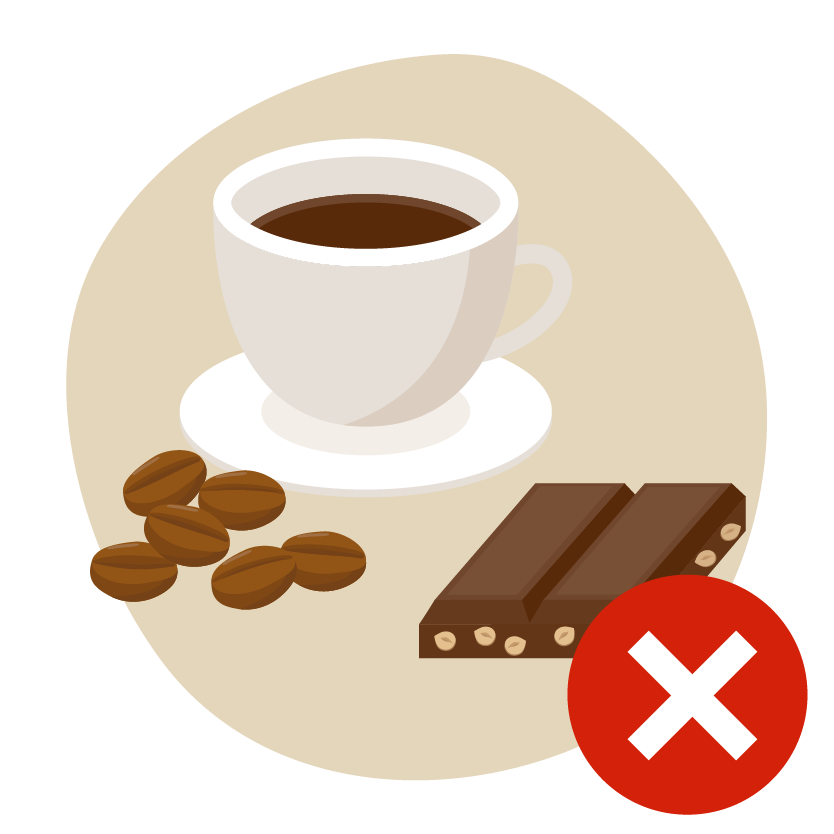 Limit Caffeine Although research is limited, experts recommend limiting caffeine intake to less than 200 mg per day, which is about one 12-ounce cup of coffee. | ||
Sources:
Centers for Disease Control and Prevention (CDC)
American College of Obstetricians and Gynecologists (ACOG)
American Pregnancy Association
U.S. National Library of Medicine / National Institutes of Health
Healthline